

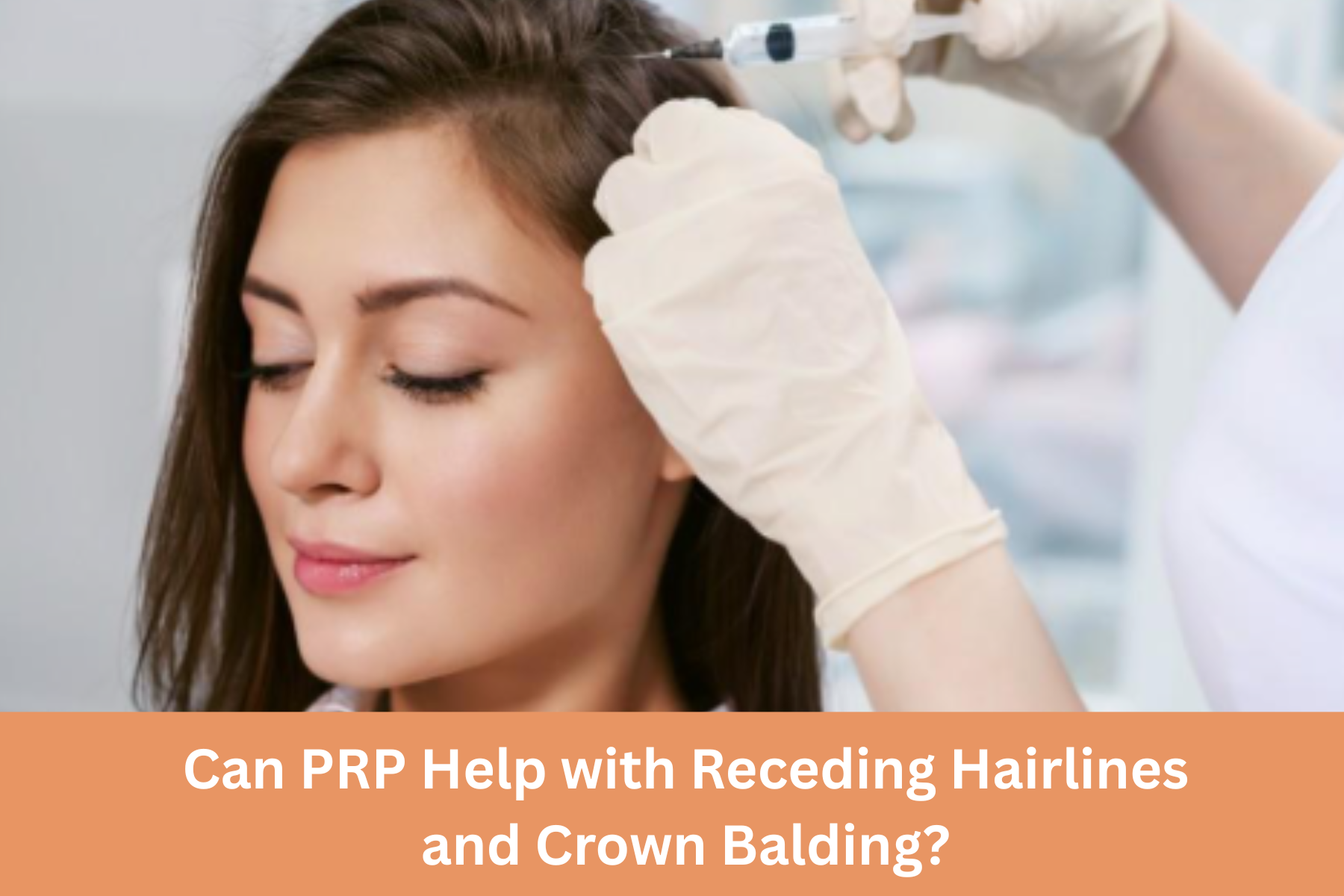
Hair loss can feel like an inevitable part of aging, especially when it targets the most noticeable areas your hairline and crown. These two zones are often the first to thin in men and women suffering from androgenetic alopecia. The emotional impact can be just as profound as the physical change. So the big question is: Can PRP (Platelet-Rich Plasma) therapy really help restore hair in these areas?
At Bbeauters Clinic in Delhi, many patients dealing with a receding hairline or crown balding have turned to PRP therapy in Delhi as a non-surgical, regenerative treatment. But before diving into PRP’s effectiveness, let’s first understand the root of the problem.
What Causes Receding Hairlines and Crown Balding?
A receding hairline and crown balding are most commonly caused by androgenetic alopecia, a hereditary condition triggered by sensitivity to the hormone DHT (dihydrotestosterone). In men, this typically starts with a slow retreat of the hairline from the temples and thinning on the crown. In women, it often appears as diffuse thinning at the crown without complete bald spots.
Apart from genetics, several other factors can contribute:
- Hormonal changes (e.g., after pregnancy or menopause)
- Nutritional deficiencies
- Chronic stress
- Poor scalp circulation
- Smoking and certain medications
The earlier you notice and address the signs, the more likely you are to preserve existing hair and encourage regrowth through targeted treatments like PRP.
How Does PRP Therapy Work for Hair Loss?
PRP therapy uses your body’s own healing ability to regenerate weak or inactive hair follicles. It starts with a simple blood draw, followed by spinning the sample in a centrifuge to extract platelet-rich plasma, which is rich in growth factors. This concentrate is then injected into the scalp where thinning or balding is occurring.
Here’s how PRP helps:
- Boosts blood flow to the scalp and follicles
- Stimulates collagen and elastin production around follicles
- Extends the anagen (growth) phase of the hair cycle
- Reduces inflammation and creates a healthier scalp environment
Since PRP is autologous (taken from your own body), the treatment is safe, natural, and free of allergic reactions.
Is PRP Effective for Receding Hairlines?
One of the most commonly asked questions is whether PRP therapy works on a receding hairline the area that is often the most resistant to treatment.
The answer is: yes, but with conditions. The effectiveness of PRP on a receding hairline depends on how advanced the hair loss is and whether the follicles are still alive. PRP cannot regrow hair from dead follicles, but it can reactivate dormant ones and strengthen miniaturized hairs.
Patients in the early to moderate stages of hairline recession tend to benefit the most. PRP can help restore density, reduce shedding, and thicken weak hair strands, giving the frontal area a fuller appearance. However, it’s important to note that consistency is key—multiple sessions are required for visible and lasting results.
At Bbeauters, our specialists often combine PRP with topical medications or microneedling to improve absorption and boost results.
Does PRP Work for Crown Balding Too?
Yes, and in many cases, PRP therapy works even better for crown balding than for the hairline. That’s because the crown (or vertex) often retains more partially active follicles for longer. These follicles are more responsive to growth factors, especially if the balding is recent or moderate.
In clinical observations, patients with crown thinning often report:
- Improved density in the vertex within 3–4 sessions
- Reduced visibility of the scalp
- Less daily hair fall from the crown region
It’s also common to see new hair sprouting in once-thinning zones after 3 months of consistent PRP therapy. For advanced crown baldness, PRP may not fully reverse the loss, but it can complement a future hair transplant by improving scalp health and preparing the area.
When to Expect Results – PRP Timeline for Hair Regrowth
PRP is not a miracle overnight cure but it does produce gradual, natural-looking improvements. Patients typically undergo a treatment cycle of 3–6 sessions, each spaced 3–4 weeks apart.
Here’s what the general timeline looks like:
- Week 1–3: Mild soreness may occur, shedding might continue briefly
- Week 4–6: Hair fall stabilizes, scalp feels healthier
- Month 2–3: Early signs of regrowth, miniaturized hairs look thicker
- Month 4–6: Significant improvement in hair density and volume
- Post 6 months: Maintenance sessions (every 4–6 months) may be needed
Your results may vary depending on your age, genetics, hair loss stage, and adherence to post-treatment care.
Who Is an Ideal Candidate for PRP at Bbeauters Clinic, Delhi?
While PRP is widely considered safe and effective, not everyone is a good candidate. It works best for individuals with early-stage androgenetic alopecia or those experiencing mild to moderate thinning.
You may be a good fit for PRP therapy if:
- You have noticeable hair thinning but still have visible follicles
- You’re looking for a non-surgical solution
- You are generally healthy with no blood disorders
- You are not on medications that interfere with platelet function
- You are willing to undergo multiple sessions and follow a maintenance plan
PRP is not effective for:
- Individuals with completely bald areas
- Patients with scarring alopecia or autoimmune hair loss
- Those with uncontrolled health conditions or active scalp infections
During your consultation at Bbeauters, our trichologists and hair experts will conduct a detailed scalp and follicular assessment to determine your eligibility and build a personalized PRP plan.
Final Verdict:
So, can PRP therapy help with a receding hairline and crown balding? In many cases, yes especially when started early and paired with consistent care. PRP is a natural, non-invasive, and clinically supported treatment that reactivates dormant hair follicles and thickens existing strands.
It is not a replacement for hair transplant surgery in cases of total baldness, but it’s a powerful option for delaying the progression of hair loss and improving overall hair quality. For patients struggling with early-stage thinning in the frontal or crown regions, PRP can be a game-changer provided it’s done by best hair specialist in Delhi using high-quality equipment.