

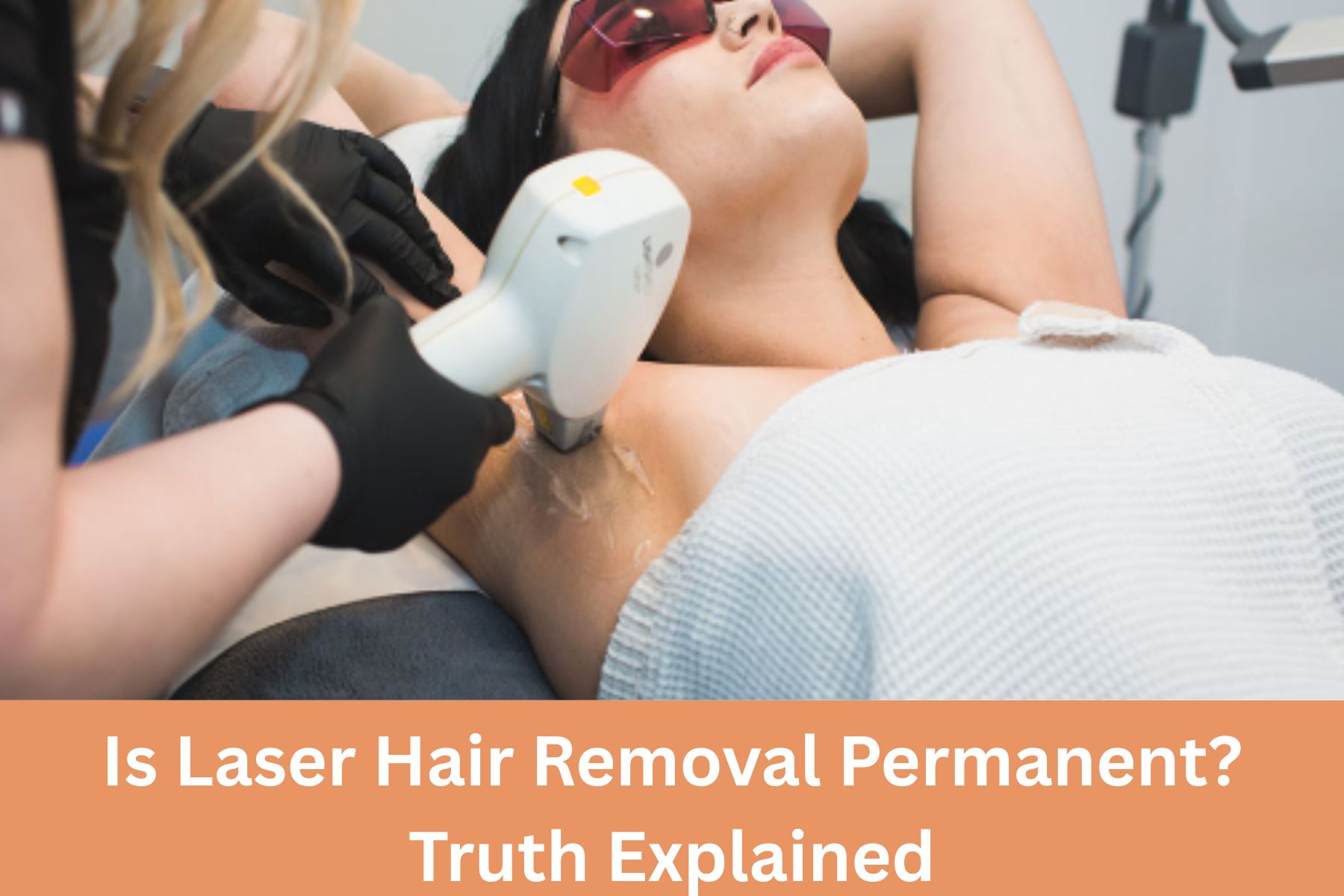
Laser hair removal provides a 70-90% reduction in hair growth but is classified as “permanent hair reduction” rather than complete hair removal. For individuals with Polycystic Ovary Syndrome (PCOS), hormonal imbalances can lead to more pronounced hair regrowth, making laser hair removal treatment outcomes unpredictable. Clinical studies indicate an 80-95% elimination of hair in treated areas. Many users express confusion and dissatisfaction regarding results, often due to misleading marketing claims.
The “PCOS Success Protocol” Table
| Feature | Standard Client | PCOS / Hormonal Client |
| Initial Sessions | 6–8 Sessions | 8–12 Sessions |
| Maintenance | Once a year (if at all) | Every 4–6 months |
| Laser Tech | Any (Diode/Alex) | Nd:YAG (Deep penetration) |
| Root Cause | Genetics | Hormonal (Androgens) |
Pro Tips: Around the 4th session, many PCOS patients notice a “growth spurt.” This isn’t the treatment failing; it’s the laser finally syncing with your dormant hormonal follicles. This is the most critical time to stay consistent. Skipping this window allows the “synchronized” follicles to recover, essentially resetting your progress.
The Benefits of Permanent Hair Reduction
The global laser hair removal market is projected to grow by approx. 50% in comparison to the current market in the next 5 years, driven by consumer demand for effective hair removal technologies. This growth reflects a strong desire for solutions that promise permanent hair reduction, particularly among individuals with PCOS, who frequently struggle with excessive hair growth.
Despite the appeal, there is a significant gap between expectation and reality. While laser treatments can achieve a 70-90% reduction in hair growth, the FDA permits only the term “permanent hair reduction” due to the possibility of regrowth. Users often express disappointment when fine or light hairs return.
Laser Hair Removal: What You Need to Know
Laser hair removal can provide a 70-90% reduction in hair growth, yet it is classified as “permanent hair reduction” rather than complete removal. While Laser offers the best balance of speed and reduction, those looking for 100% removal of single white or gray hairs may need to supplement with Electrolysis.
Individuals suffering from PCOS may find laser hair removal particularly appealing due to hormonal imbalances causing increased hair growth. However, the misleading nature of “permanent” can result in disappointment when fine or light hairs reappear post-treatment.
User experiences indicate discomfort during sessions, often exceeding expectations.
The PCOS Factor: Unique Challenges in Laser Hair Removal
Women with Polycystic Ovary Syndrome (PCOS) often experience increased hair growth due to hormonal imbalances, particularly elevated androgen levels. This condition complicates laser hair removal outcomes, as hormonal fluctuations may lead to persistent or unpredictable hair regrowth patterns. While laser hair removal can achieve major reduction in hair growth, those with PCOS may experience significant variability in results.
Discomfort during treatments is another concern for individuals with PCOS. Many report that the sensation can be more intense than anticipated, potentially due to thicker hair associated with this condition. This increased sensitivity can negatively impact the treatment experience. But this mostly happens when you choose session price and discount over safety. As a result, choose unprofessional clinics and generic salons with cloned laser devices instead of FDA-approved ones.
Moreover, the term “permanent hair reduction” can be misleading for those with PCOS. Critics argue that the FDA’s classification underscores the potential for hair regrowth, which may leave individuals feeling dissatisfied with their results. As demand for effective hair removal solutions grows, understanding how conditions like PCOS influence treatment efficacy is crucial for setting realistic expectations.
User Experiences: Pain and Expectations
Many individuals share their experiences on platforms like Reddit, highlighting a mix of satisfaction and disappointment regarding hair regrowth after treatment. Pain during sessions is a prevalent concern. Users often report discomfort levels that exceed their expectations, deterring them from continuing treatments. This discomfort, combined with uncertainty surrounding effectiveness, can heighten anxiety for those seeking a long-term solution to unwanted hair, particularly in the context of hormonal imbalances associated with PCOS.
The psychological impact of these experiences is significant. Misinformation about treatment permanence creates unrealistic expectations, leading to frustration when results do not align with marketing claims. Understanding these sentiments is essential for both consumers and providers in addressing pain points and managing expectations effectively.
The PCOS-LHR Effectiveness Model
Individuals with PCOS can experience varied effectiveness from laser hair removal (LHR), largely due to hormonal imbalances. For those with PCOS, hormonal fluctuations can lead to unpredictable hair regrowth, complicating the treatment’s effectiveness. Personalization of treatment is extremely important. Many users report dissatisfaction when results do not meet expectations, particularly when fine or light hairs return after treatment. Customizing LHR protocols to address the unique hormonal profiles of PCOS patients can enhance outcomes, making it essential for practitioners to consider these factors during consultations.
Long-term management strategies must also be integrated into the LHR process for PCOS patients. While the market for laser hair removal is growing fast, individuals must remain informed about realistic treatment expectations and ongoing maintenance to achieve sustained results.
Myths vs. Facts: Debunking Common Misconceptions
Myth 1: Laser hair removal is permanent hair removal.
Laser hair removal is more accurately described as permanent hair reduction. Clinical studies indicate that this treatment can achieve an 80-95% reduction in hair in treated areas (estimated). The FDA allows only the term “permanent hair reduction” due to the potential for hair regrowth, a crucial distinction for consumers.
Myth 2: Laser hair removal is painless.
Many users report unexpected discomfort during laser hair removal sessions. Some express surprise at the pain level, which can be more intense than anticipated. This sentiment underscores the importance of managing expectations regarding the treatment experience.
Myth 3: All hair will be eliminated after treatment.
Laser hair removal can significantly reduce hair growth but does not guarantee the elimination of all hair types. Users have shared experiences of fine or light hairs returning after treatment, leading to dissatisfaction with results. This highlights the variability in individual responses to treatment and the importance of setting realistic expectations.
Myth 4: Laser hair removal is only for certain skin types.
Advancements in laser technology have expanded accessibility to a broader range of skin types. Clinics are adapting their services to meet diverse consumer needs, indicating that individuals with various skin tones can now explore effective hair removal options.
Myth 5: Laser hair removal is too expensive.
While professional treatments can be pricier than at-home devices, many consumers are willing to invest in laser hair removal for its perceived long-term benefits. The global market for laser hair removal is growing rapidly, reflecting growing consumer demand for effective solutions. This willingness to pay underscores the value placed on advanced hair removal technologies.
Actionable Insights: Making Informed Decisions
The Laser hair removal in Delhi can achieve a 70-90% reduction in hair growth, but it’s classified as “permanent hair reduction” due to the potential for hair regrowth. For individuals with PCOS, understanding this distinction is crucial, as hormonal fluctuations may lead to varying results.
User sentiment indicates that many people experience discomfort during sessions, often more than anticipated. If you are sensitive to pain, discuss pain management options with your practitioner before starting treatment.
Expectations should be grounded in reality. Clinical studies show that the majority of hair can be eliminated in treated areas in a few sessions, but fine or light hairs may still return, leading to dissatisfaction for some. This highlights the importance of personalized consultations to tailor the treatment plan to your specific needs. If you’re considering this treatment, choose a skin clinic in Delhi that ensures effective results and a supportive environment for your hair removal journey.
FAQs about Laser Hair Reduction
Q1: Is laser hair removal permanent?
Laser hair removal can achieve a 70-90% reduction in hair growth, but it’s officially classified as “permanent hair reduction” due to the potential for hair regrowth. This distinction often leads to confusion among users who expect complete hair removal.
Q2: How does PCOS affect laser hair removal results?
For those with Polycystic Ovary Syndrome (PCOS), laser hair removal may be particularly beneficial. Clinical studies show that it can eliminate 80-95% of hair in treated areas (estimated), significantly helping manage PCOS-related hair growth. However, results can vary based on individual hormonal levels and hair types.
Q3: Is laser hair removal painful?
User feedback highlights that discomfort during sessions can be significant. Many individuals report that the pain is more intense than anticipated, leading to hesitation about continuing treatments. Understanding this aspect can help set realistic expectations before committing to a treatment plan.
Q4: Why is the term “permanent” misleading?
Critics of laser hair removal emphasize that the term “permanent” can be misleading. The FDA allows only “permanent hair reduction” because some users may experience hair regrowth after treatment. This perspective is essential for potential clients to consider when weighing their options.
Q5: What is the future of the laser hair removal market?
The global laser hair removal market is projected to reach $3.9 billion by 2031, driven by rising consumer demand for these services. This growth underscores the increasing acceptance of laser hair removal as a viable solution for unwanted hair.